
Get Pear Trees Pruning in Bentonville, AR
Property owners in Bentonville, AR can find local contractors who provide Pear Tree pruning services to improve tree health, remove dead branches, and shape trees safely.
Proper pruning of pear trees is an essential part of maintaining healthy and productive orchards or landscape features in Bentonville, AR. Property owners interested in fostering strong growth, improving fruit yield, or enhancing the overall appearance of their trees often explore professional pruning services. By carefully shaping and trimming pear trees, local contractors can help prevent issues like disease, overcrowding, and branch damage, ensuring the trees remain vigorous and safe for years to come. Keeping these trees well-maintained can also contribute to the safety of outdoor spaces and the aesthetic appeal of a property.
Those considering pear tree pruning in Bentonville might want to compare options among experienced service providers to find the right fit for their needs. It’s practical to evaluate the expertise and approach of local contractors, especially when planning ongoing maintenance or specific projects. Continuing to read can provide valuable insights into how professional pruning can support the health and beauty of pear trees, making it easier to connect with qualified service providers who can handle the work effectively.
- Pear Tree Pruning - needed when overgrown branches threaten the health or appearance of a mature pear tree in residential yards.
- Fruit Tree Maintenance - required to promote healthy fruit production and prevent disease in orchards or backyard trees.
- Tree Health Care - necessary if a pear tree shows signs of disease, pest infestation, or structural issues in neighborhoods like Northwest Arkansas.
- Seasonal Pruning - recommended during specific times of the year to encourage optimal growth and fruiting for pear trees.
- Structural Pruning - important for removing weak or damaged branches to maintain safety and stability in urban or suburban landscapes.
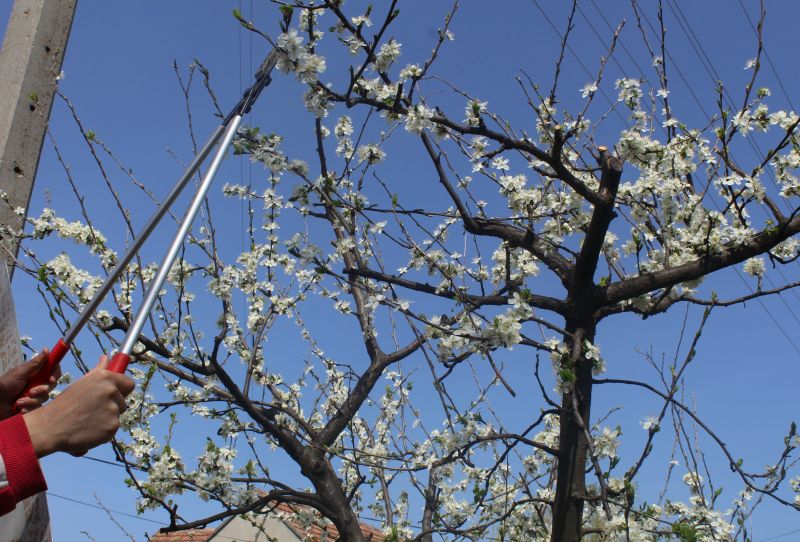
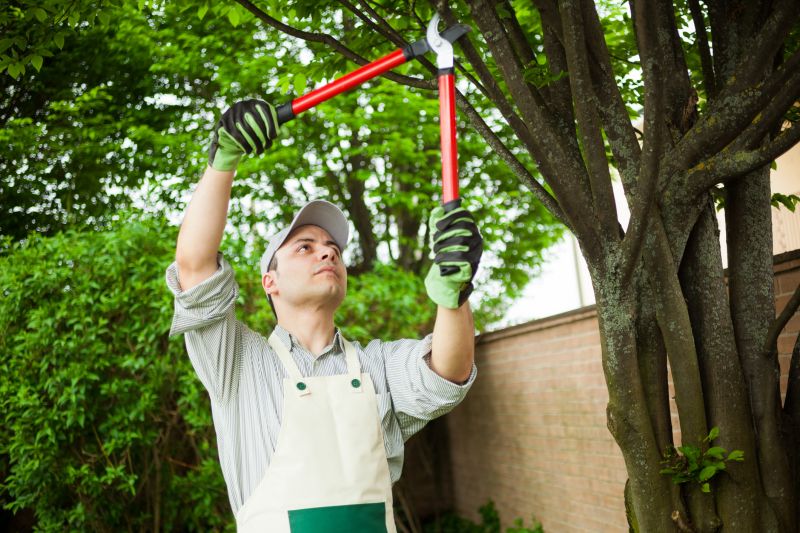
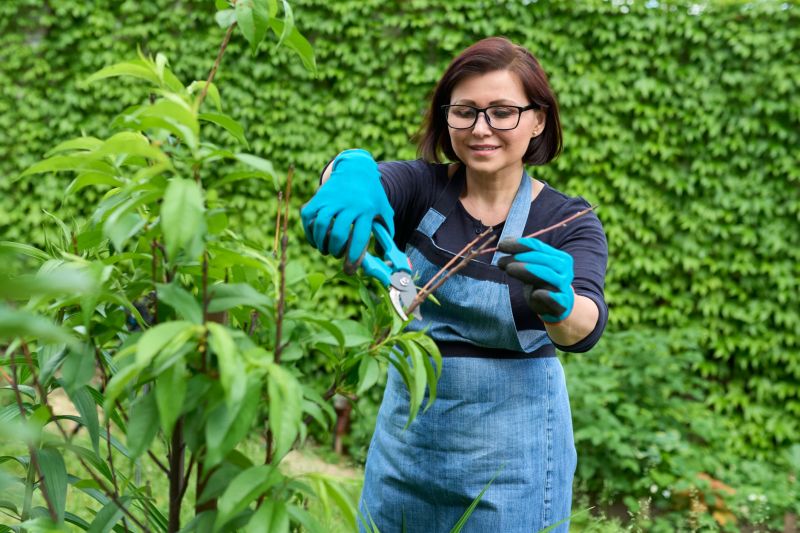
Pear trees pruning services involve carefully trimming and shaping pear trees to promote healthy growth and maximize fruit production. This process typically includes removing dead, damaged, or diseased branches, thinning out overcrowded areas, and cutting back overgrown limbs. Proper pruning encourages better air circulation and sunlight penetration, which can help prevent common issues such as fungal infections or pest infestations. Whether the goal is to maintain a neat appearance or to improve the tree’s overall health and fruit yield, experienced service providers can tailor their pruning techniques to suit the specific needs of each tree.
Pruning helps address a variety of problems that can affect pear trees if left unmaintained. Overgrown branches can become weak and prone to breaking, especially during storms or heavy fruit loads. Dense canopies may restrict airflow and light access, leading to increased risk of disease development. Additionally, removing crossing or rubbing branches reduces the chance of wounds that could invite pests or decay. Regular pruning can also prevent the tree from becoming too tall or unruly, making future maintenance and harvests easier. For homeowners dealing with these issues, professional pruning can be a practical solution to keep pear trees healthy and productive.
Many types of properties in Bentonville, AR, and surrounding areas benefit from pear tree pruning services. Homeowners with fruit or ornamental pear trees in their yards often seek pruning to ensure their trees stay attractive and healthy. Larger residential properties, community gardens, and small orchards may also find value in professional pruning to maintain multiple trees or manage the overall landscape. Even urban properties with limited space can benefit from targeted trimming to control tree size and shape. Service providers can work with property owners to develop a pruning plan suited to the specific type and age of the pear trees, ensuring they remain a safe and appealing feature of the landscape.
Knowing when to seek professional pruning services can make a significant difference in the health and appearance of pear trees. If a tree has dead or broken branches, appears overgrown or uneven, or shows signs of disease or pest problems, pruning is likely needed. Additionally, if a tree is producing fewer or smaller fruit than expected, a professional trim might help improve future yields. Homeowners who want to maintain a tidy yard or prevent potential hazards caused by falling limbs should also consider pruning services. Contacting local contractors experienced in tree care can help determine the right timing and approach to keep pear trees thriving and looking their best.
The overview below groups typical Pear Trees Pruning projects into broad ranges so you can see how smaller, mid-sized, and larger jobs often compare in Bentonville, AR.
In many markets, a large share of routine jobs stays in the lower and middle ranges, while only a smaller percentage of projects moves into the highest bands when the work is more complex or site conditions are harder than average.
Small Pruning Jobs - Local contractors typically charge between $150 and $400 for routine pruning of a few small to medium-sized pear trees. Many standard maintenance tasks fall within this range, making it a common project size for homeowners. Larger or more detailed pruning can increase costs beyond this band.
Medium-Sized Tree Trimming - Expect costs to range from $400 to $1,200 for trimming multiple trees or larger pear trees requiring more extensive work. These projects are fairly common and often involve shaping or removing dead branches to promote healthy growth. More complex or taller trees may push costs higher.
Large or Mature Tree Pruning - For mature pear trees over 20 feet tall, prices generally range from $1,200 to $3,000. Many local service providers handle these projects regularly, though they are less frequent than smaller jobs. Larger, more intricate pruning projects can reach higher prices depending on the scope.
Full Tree Removal and Replacement - Complete removal and replacement of a pear tree can cost from $1,500 to $5,000 or more, especially for larger, well-established trees. These are less common projects and tend to be on the higher end of the cost spectrum, depending on tree size and site conditions.
Actual totals will depend on details like access to the work area, the scope of the project, and the materials selected, so use these as general starting points rather than exact figures.
Tree Trimming and Shaping - professionals who prune pear trees often have skills in shaping and maintaining the overall form of trees, similar to pruning other fruit or ornamental trees.
Shrub and Hedge Pruning - this work involves precise cutting and planning to promote healthy growth, which overlaps with pruning techniques used on fruit trees like pears.
Fruit Tree Care and Maintenance - local contractors experienced in caring for various fruit trees utilize similar pruning, thinning, and health management skills applicable to pear trees.
Landscape Tree Removal - safely removing or managing large or damaged trees requires planning and equipment familiarity akin to pruning mature pear trees.
Ornamental Tree Pruning - shaping and maintaining aesthetic trees involves similar tools and techniques used in pruning fruit-bearing pear trees.
Storm Damage Tree Repair - repairing and pruning trees damaged by storms involves assessing structural integrity and performing strategic cuts, comparable to pruning for health and safety in pear trees.
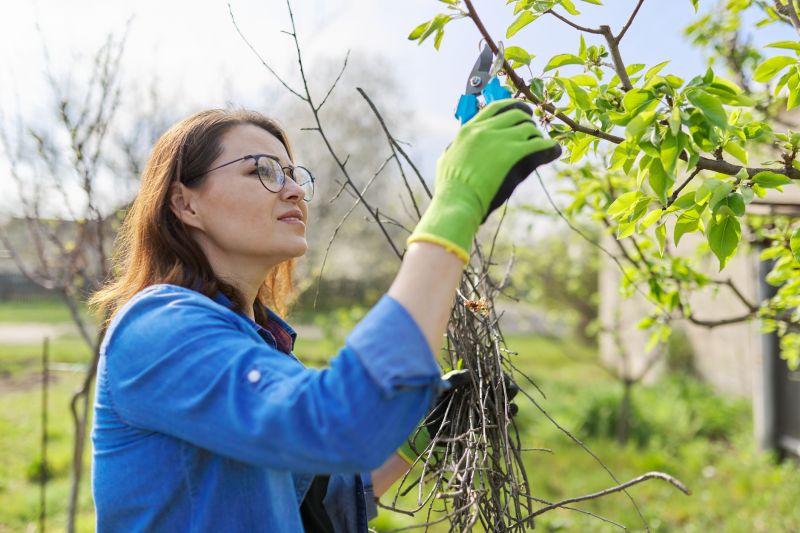
When comparing contractors for Pear Tree Pruning services, it’s important to consider their experience with similar projects. Homeowners should inquire about how long a service provider has been working with pear trees and whether they have handled pruning tasks of comparable size and complexity. An experienced contractor will understand the specific needs of pear trees, including the best techniques to promote healthy growth and structure. Demonstrating familiarity with local tree varieties and regional conditions can also be a sign of a contractor’s ability to deliver quality results.
Clear written expectations are essential to ensure that both the homeowner and the service provider are aligned on the scope of work. Homeowners should seek detailed descriptions of what the pruning process will entail, including the methods used, the areas to be addressed, and any post-service recommendations. Having these details in writing helps prevent misunderstandings and provides a reference point for evaluating the completed work. It’s advisable to ask potential contractors to outline their approach to ensure that their services meet specific needs and standards.
Reputable references and effective communication are key indicators of a trustworthy service provider. Homeowners can ask for references from previous clients with similar projects to gain insights into the contractor’s reliability and quality of work. Good communication throughout the process-such as prompt responses to questions and clear explanations of procedures-can make the experience smoother and more predictable. It’s important to remember that the site introduces homeowners to local contractors who can handle the work, rather than performing the services directly, so taking the time to evaluate these aspects can help identify a professional who is well-suited for the job.
Property owners in Bentonville, AR use Pear Trees Pruning services for practical projects around their homes and businesses. This guide focuses on everyday jobs and straightforward project options.
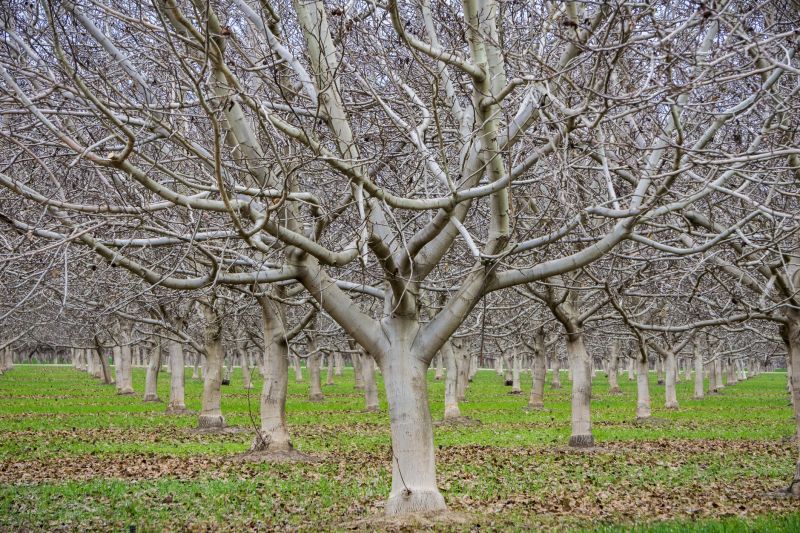
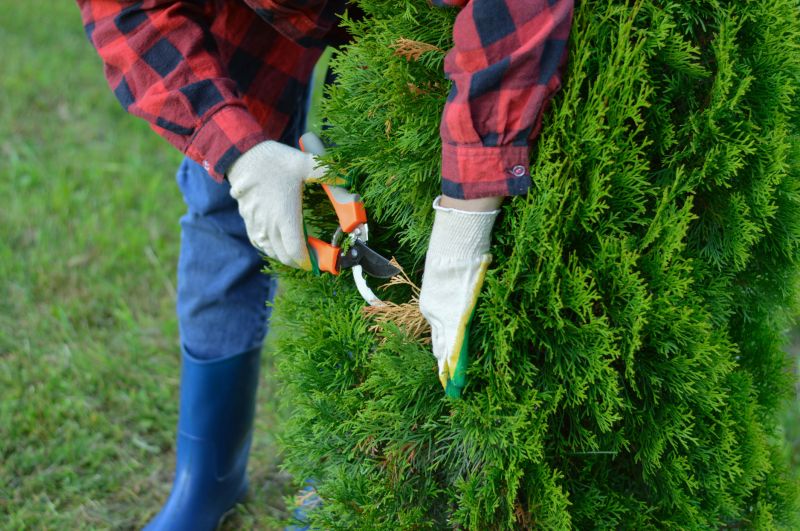
Property owners in Bentonville, AR often seek professional pear tree pruning to maintain healthy growth and improve the tree’s overall appearance. Overgrown or unruly branches can hinder sunlight penetration and air circulation, which may lead to issues like disease or pest problems. Local contractors can help shape the tree to promote better fruit production and ensure it remains a safe and attractive feature on the property.
Additionally, residents may look for pruning services to prevent potential hazards caused by weakened or damaged branches. Removing dead or broken limbs can reduce the risk of falling debris, especially during storms or high winds common in the area. Service providers experienced in pear tree care can assess the tree’s condition and perform necessary pruning to support its health and safety.
Why is pruning pear trees important? Pruning helps maintain the health, shape, and productivity of pear trees by removing dead or diseased branches and encouraging proper growth.
When is the best time to prune pear trees? The ideal time for pruning pear trees is during their dormant season, typically in late winter or early spring, before new growth begins.
What pruning techniques do local contractors use for pear trees? Professionals often use crown thinning, heading back, and structural pruning to improve airflow, remove overcrowded branches, and promote fruit production.
How can pruning improve the health of my pear trees? Proper pruning reduces the risk of disease, prevents branch breakage, and allows for better sunlight exposure, which supports overall tree vitality.
Are there specific tools needed for pruning pear trees? Yes, common tools include pruning shears, loppers, and saws, which help make clean cuts and access hard-to-reach branches safely.
Improve Tree Health - Proper pruning helps maintain the overall health of pear trees, promoting strong growth and fruit production.
Enhance Property Appearance - Regular trimming can keep pear trees looking neat and attractive, boosting curb appeal.
Increase Safety - Removing dead or overgrown branches reduces the risk of falling limbs that could cause damage or injury.
Prepare for Seasonal Changes - Pruning before winter helps prepare pear trees for the colder months and encourages healthy growth in spring.
If you are thinking about Pear Trees Pruning for a property in Bentonville, AR, this guide is meant to help you understand the work, the typical project types, and how different options might fit your plans.
When you are ready, you can use the quote form on this page to share a few details about your project. From there, local pros can review the basics and respond with options that match what you have in mind.