
Optimal Timing for Tree Trimming
Proper timing for tree trimmings ensures healthy growth and maintains the aesthetic appeal of trees. The optimal time varies based on tree species and regional climate conditions. Generally, late winter to early spring is considered ideal for most deciduous trees, while evergreens are best trimmed in late spring or early summer.
Trimming in spring promotes new growth and helps shape trees before the active growing season begins.
Fall trimming can remove dead or diseased branches but should be avoided if it risks stimulating new growth that could be damaged by winter.
Summer trimming can stress trees and make them vulnerable to pests and diseases.
Fruit trees are typically pruned during late winter or early spring before buds swell, encouraging healthy fruit production.
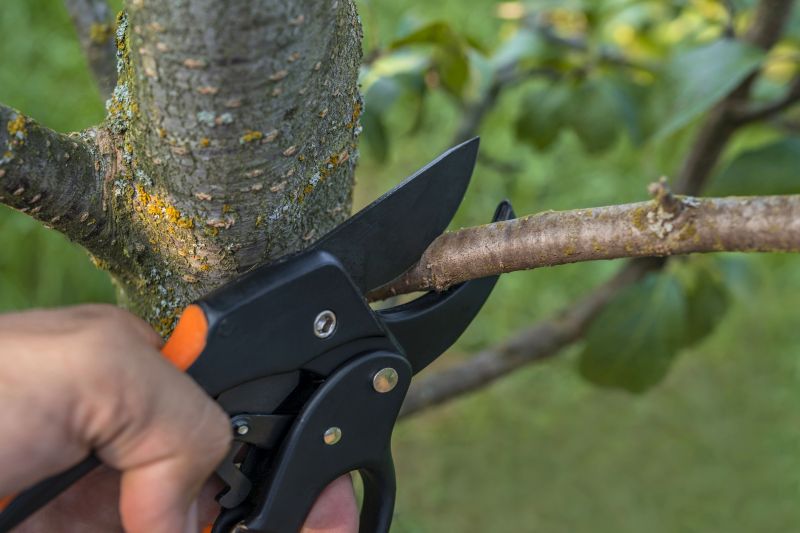
Pruning during early spring supports healthy growth and development.
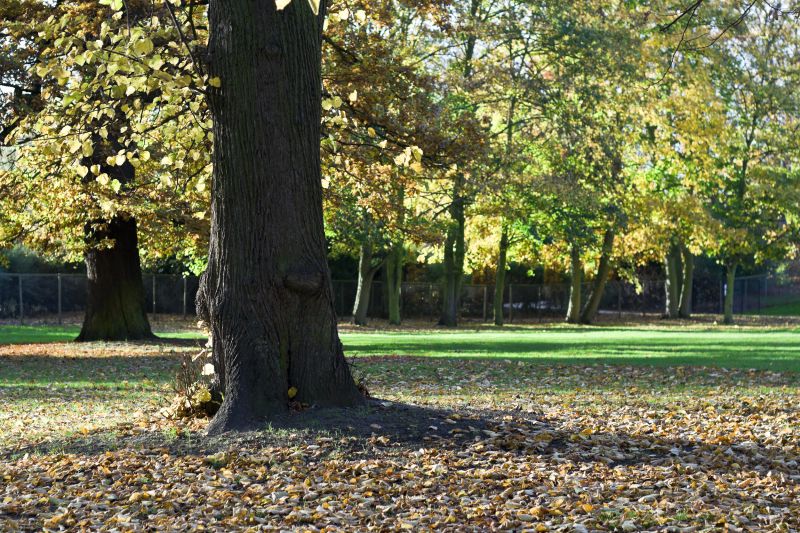
Fall is suitable for removing dead branches and preparing trees for winter.
Avoid trimming in summer to reduce stress on trees.
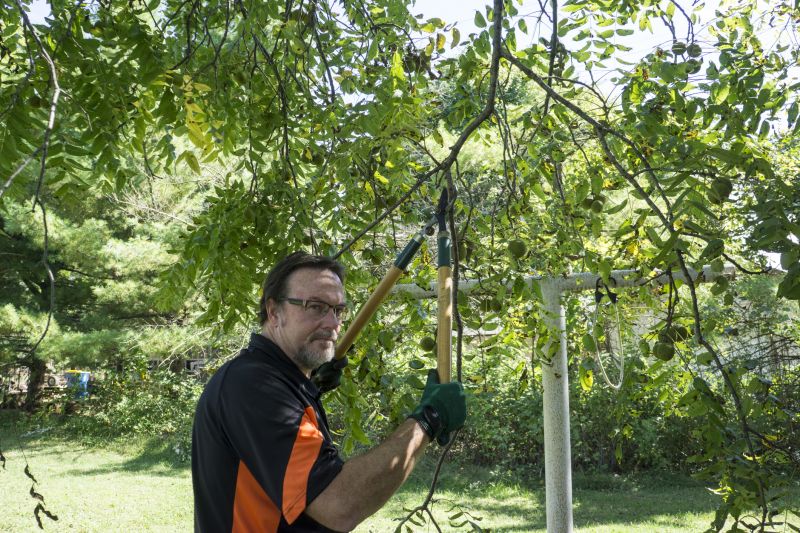
Ways to make Tree Trimmings work in tight or awkward layouts.
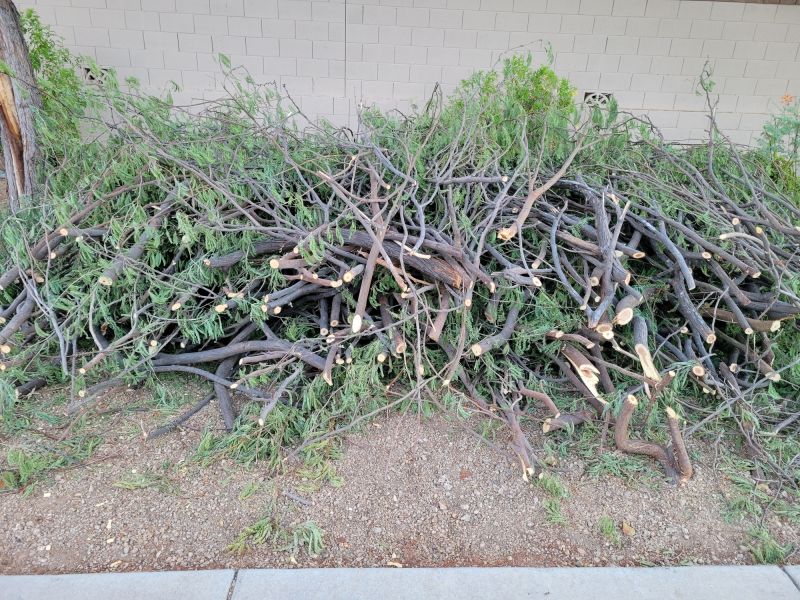
Popular materials for Tree Trimmings and why they hold up over time.
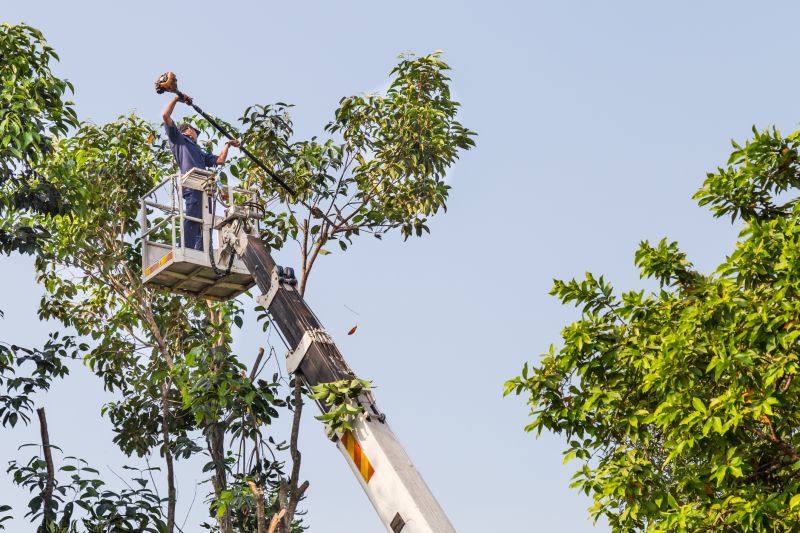
Simple add-ons that improve Tree Trimmings without blowing the budget.
| Tree Type | Recommended Trimming Time |
|---|---|
| Deciduous Trees | Late winter to early spring |
| Evergreens | Late spring to early summer |
| Fruit Trees | Late winter or early spring |
| Maples | Late winter |
| Oaks | Late winter |
| Pines | Late spring |
Tree trimmings play a vital role in maintaining the health and appearance of trees. Properly timed trimming can prevent disease, improve structure, and promote vigorous growth. Regular pruning also enhances safety by removing weak or damaged branches that could pose hazards. The frequency and timing depend on tree species, age, and growth patterns, making it essential to understand specific needs for each type.